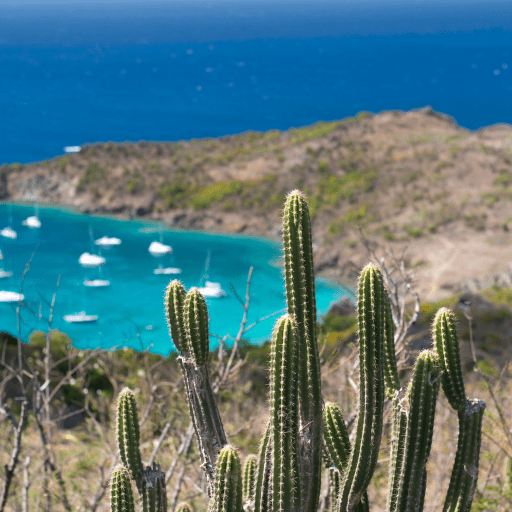
HIKING IN SAINT-BARTH, OFF THE BEATEN PATH
Categories : St. Barth, published on : 2/27/25
THE ESSENCE OF
Hiking in Saint-Barthélemy
Discover 5 spectacular hiking trails in Saint-Barthélemy beyond the beaches. From Colombier's hidden cove to Morne de Vitet's 360° summit views, explore wild coastal paths, natural pools, and protected nature reserves. Most trails take 30 minutes to 2 hours and range from easy family walks to challenging climbs. All hikes offer unique Caribbean landscapes, wildlife spotting, and secluded swimming spots.
Key Takeaways
- Easiest Hike: Nature Reserve trail at Grand Cul-de-Sac (1.5 hours, flat terrain, family-friendly)
- Most Scenic Hike: Colombier Beach trail (30-40 minutes, coastal views, snorkeling)
- Hidden Gem: Grand Fond natural pool (15 minutes, lunar landscape, tide-dependent)
- Highest Point: Morne de Vitet summit (286m elevation, 360° island views, unmarked trail)
- Wildest Trail: Anse des Cayes to Pointe des Carrières (1 hour, rocky coastline, Atlantic views)
- Best for Wildlife: Saint-Barthélemy Nature Reserve (birds, rays, sea turtles, mangroves)
WHAT MAKES SAINT-BARTHÉLEMY
good for hiking?
Saint-Barthélemy offers diverse hiking terrain beyond its famous beaches. The island features coastal trails with ocean panoramas, mountainous paths through tropical vegetation, and protected nature reserves with unique ecosystems.
The hiking trails reveal a wilder side of St. Barth. You'll find secluded beaches accessible only by foot, natural pools carved into volcanic rock, and viewpoints overlooking both the Atlantic and Caribbean sides of the island.
Most trails require no special permits. The terrain ranges from well-maintained coastal paths to unmarked cross-country routes. Hiking season extends year-round, with the driest conditions from December to April.
WHERE IS COLOMBIER BEACH AND
How Do I Hike There?
What is Colombier Beach?
Colombier Beach is a protected cove accessible only by hiking trail or boat. No roads reach this beach. The isolated location preserves its natural state and limits daily visitors.
The beach offers white sand, clear water for snorkeling, and complete seclusion. Sea turtles frequently swim near the shore. The surrounding cliffs provide shelter from wind and waves.
Which Trail Should I Take to Colombier Beach?
Option 1: Flamands Bay Route (Recommended for First-Timers)
The Flamands Bay trail takes 30-40 minutes walking. The path follows the coastline with continuous ocean views. The difficulty level is moderate with some uphill sections.
Trail features include:
- Well-marked coastal path
- Gradual elevation changes
- Panoramic views of Île Fourchue
- Shaded sections under vegetation
- Rocky but maintained trail surface
Option 2: Petite Anse Route (For Experienced Hikers)
The Petite Anse trail offers a more challenging route through denser vegetation. The path requires 45-60 minutes walking. This route provides deeper immersion in St. Barth's wild nature.
The terrain includes steeper inclines and less defined pathways. Sturdy hiking shoes are essential for this route.
What Can I See on the Colombier Beach Hike?
Ocean and Island Views: The trail provides unobstructed views of Île Fourchue island and the surrounding Caribbean waters. The contrast between deep blue ocean and bright green vegetation creates dramatic scenery.
Marine Life at Colombier: The beach is one of St. Barth's premier snorkeling locations. Bring a mask and snorkel equipment. Sea turtles swim regularly in the shallow waters near shore. Tropical fish inhabit the rocky areas at both ends of the beach.
Preserved Natural Setting: Colombier has no commercial facilities. No beach bars, sunbeds, or vendors operate here. Bring your own water, food, and shade equipment.
What Should I Bring to Colombier Beach?
Pack these essentials:
- Water (at least 1 liter per person)
- Snorkeling equipment
- Picnic lunch and snacks
- Sun protection (umbrella, hat, reef-safe sunscreen)
- Sturdy walking shoes
- Dry bag for electronics
- First aid basics
WHAT IS THE GRAND
Fond Natural Pool?
Where is the Grand Fond Located?
Grand Fond sits on Saint-Barthélemy's windward Atlantic coast. The landscape differs dramatically from the island's calmer Caribbean side. Rocky cliffs replace sandy beaches. Strong ocean swells crash against volcanic formations.
The natural pool forms where seawater collects in a rocky cavity between cliff formations. At low tide, this creates a calm swimming basin protected from ocean waves.
How Do I Hike to Grand Fond's Natural Pool?
Trail Overview: Start from the Grand Fond parking area. Follow the coastal path running along the shoreline. The hike takes approximately 15 minutes to reach the natural pool.
Terrain Description: The landscape resembles a lunar surface with minimal vegetation. Dry, wind-resistant plants grow between rock formations. The Atlantic Ocean dominates the eastern view.
Trail characteristics:
- Short distance but uneven rocky terrain
- Sturdy closed-toe shoes required
- Minimal shade along the route
- Easy navigation following the coastline
- Suitable for most fitness levels
Rock Formations: Erosion has sculpted the volcanic rocks into natural sculptures. Time and saltwater created unique shapes and formations. The geological features make Grand Fond one of St. Barth's most photogenic locations.
When Can I Swim in Grand Fond's Natural Pool?
Tide Requirements: Visit during low tide when the pool fills with calm seawater. During high tide or rough seas, waves crash dangerously into the pool area.
Safety Considerations: Check ocean conditions before entering. Strong swells make the pool inaccessible and dangerous. Never enter if waves are breaking over the rocks. The pool can become a dangerous washing machine effect during rough conditions.
Best Swimming Conditions: Calm weather with low tide creates crystal-clear, protected water. The pool depth ranges from knee to chest level for adults. The rock bottom can be slippery.
Where Should I Eat After Hiking the Grand Fond?
L'Esprit restaurant sits near Saline Beach, a short drive from Grand Fond. The restaurant serves refined fusion cuisine combining local Caribbean ingredients with international techniques.
Menu highlights include fresh-caught fish, colorful vegetable preparations, and artistically presented plates. The intimate atmosphere and outdoor seating make it ideal for post-hike dining.
HOW DO I CLIMB MORNE DE VITET,
Saint-Barth's Highest Point?
What is Morne de Vitet?
Morne de Vitet rises to 286 meters above sea level, making it Saint-Barthélemy's highest elevation point. The summit offers 360-degree views encompassing the entire island and surrounding waters.
Unlike other St. Barth hikes, Morne de Vitet has no marked trails. The ascent follows unmarked cross-country paths through dense tropical vegetation.
How Difficult is the Morne de Vitet Hike?
Physical Challenge: The climb requires moderate to high fitness levels. The ascent is gradual but continuous. Dense vegetation creates humid conditions. Total hiking time is 2-3 hours round trip.
Navigation Requirements: No trail markers exist. Basic navigation skills help. Starting from Grand Fond or Toiny, follow small paths winding between hills. The route requires occasional bushwhacking through vegetation.
Trail Conditions:
- Steep sections with loose terrain
- Overgrown vegetation in places
- No maintained pathways
- Humid microclimate
- Requires sturdy hiking boots
What Can I See from Morne de Vitet's Summit?
360-Degree Island Views: The summit provides complete views of Saint-Barthélemy. The Atlantic Ocean stretches eastward with visible wave patterns. The calmer Caribbean Sea lies westward with its turquoise waters.
Neighboring Islands: On clear days, you can see Saint Kitts, Nevis, and Saba islands in the distance. Saint Martin/Sint Maarten is visible to the north.
Tropical Vegetation: The ascent passes through lush greenery distinct from coastal areas. Ferns, tropical shrubs, and exotic flowering plants line the path. The biodiversity increases with elevation.
Wildlife Spotting: Watch for Caribbean iguanas sunbathing on rocks. Hummingbirds feed on tropical flowers. Various bird species inhabit the vegetation at different elevations.
What Water Activities Are Near Morne de Vitet?
Toiny Beach sits at the base of Morne de Vitet on the Atlantic coast. This location ranks among St. Barth's premier surfing spots. Strong Atlantic swells create consistent waves for experienced surfers.
Beginners can watch from the beach as local surfers ride the waves. The powerful ocean conditions make Toiny unsuitable for swimming but spectacular for wave watching.
WHAT IS THE SAINT-BARTHÉLEMY
Nature Reserve?
Where is the Nature Reserve Located?
The Saint-Barthélemy Nature Reserve protects multiple ecosystems on the island's eastern coast. The reserve encompasses mangroves, lagoons, coral reefs, and coastal vegetation zones.
The main hiking access point begins at Grand Cul-de-Sac Beach. The trail winds through protected habitats where wildlife observation is the primary attraction.
How Long is the Nature Reserve Hike?
Trail Duration: The complete loop takes approximately 1.5 hours at a leisurely pace. The route is 3-4 kilometers total distance. Budget additional time for wildlife watching and photography.
Difficulty Level: This hike is the easiest on the island. The terrain is mostly flat with well-maintained paths. Families with children can complete this trail comfortably.
Trail Features:
- Boardwalk sections through mangroves
- Sand and packed dirt paths
- Minimal elevation change
- Shaded areas under vegetation
- Interpretive signs about ecosystems
What Wildlife Lives in the Nature Reserve?
Bird Species: The reserve hosts diverse Caribbean bird populations. Brown pelicans dive for fish in the lagoons. White herons wade through shallow waters hunting. Magnificent frigatebirds soar overhead with distinctive forked tails.
Bring binoculars for optimal bird watching. Early morning hours offer the most active wildlife periods.
Marine Life: The shallow lagoons provide nursery habitat for juvenile fish. Rays glide through the crystal-clear water. Sea turtles feed on seagrass beds visible from shore.
Small colorful crabs scurry through mangrove roots. The mangrove ecosystem supports the entire marine food chain.
Protected Ecosystems: The mangrove forest acts as a natural water filter and erosion barrier. These trees tolerate saltwater and create habitat for countless species. The coral reefs offshore protect the lagoon from wave action.
What Should I Bring to the Nature Reserve?
Essential items include:
- Binoculars for bird watching
- Snorkeling gear for lagoon exploration
- Waterproof camera or phone case
- Reef-safe sunscreen
- Insect repellent for mangrove areas
- Water and light snacks
What Water Activities Work at Grand Cul-de-Sac?
Kayaking and Stand-Up Paddleboarding: The calm, shallow lagoon creates ideal conditions for paddling. Rent equipment from nearby beach vendors. Paddle between sandbars and observe rays swimming beneath your board.
Snorkeling: The protected lagoon offers excellent snorkeling for all skill levels. The clear water provides visibility to the sandy bottom. Spot sea turtles, rays, and tropical fish in their natural habitat.
Kitesurfing: Consistent trade winds make Grand Cul-de-Sac popular with kitesurfers. Several schools offer lessons for beginners. The shallow water provides a safe learning environment.
HOW DO I HIKE FROM ANSE DES CAYES
to Pointe des Carrières?
Where Does This Trail Start?
Anse des Cayes Beach marks the trailhead on Saint-Barthélemy's southern coast. This beach is known for consistent surf conditions and a peaceful atmosphere away from busier beaches.
The coastal path leads to Pointe des Carrières, one of the island's most secluded viewpoints. Few tourists discover this location despite its dramatic scenery.
What is the Trail Like to Pointe des Carrières?
Trail Overview: The round-trip hike takes approximately 1 hour. The path follows the rocky coastline with Atlantic Ocean views throughout. Some sections include steep inclines over uneven terrain.
Landscape Features:
- Rocky volcanic cliffs
- Dry Caribbean vegetation adapted to salt spray
- Deep blue Atlantic waters
- Minimal tree cover
- Wind-sculpted rock formations
Trail Difficulty: Moderate difficulty due to rocky terrain and occasional steep sections. The path is not always clearly defined. Sturdy hiking shoes with good grip are necessary.
What Can I See at Pointe des Carrières?
Geological Formations: Wind and water erosion carved dramatic shapes into the volcanic rock. Large stone slabs stretch across the point. Natural arches and caves form where waves undermine cliff bases.
Ocean Views: The viewpoint offers unobstructed views across the Atlantic. On clear days, Colombier Beach is visible to the northwest. Small offshore islets dot the seascape.
Wildlife: Caribbean iguanas inhabit the rocky terrain. Small crabs scuttle between tidepool crevices. Seabirds nest on protected cliff faces. The isolation creates a sanctuary for species avoiding human disturbance.
Photography Opportunities: The dramatic contrast between dark volcanic rock and deep blue ocean creates stunning images. Sunset visits offer golden hour lighting across the rocky landscape.
What Makes This Trail Special?
Seclusion and Silence: Few hikers discover Pointe des Carrières. The location offers genuine solitude and disconnection. Only wind and crashing waves break the silence.
Raw Natural Beauty: Unlike developed beaches, this area remains wild and untouched. No facilities, signs, or infrastructure exist. The landscape reveals how St. Barth appeared before tourism development.
WHAT SHOULD I KNOW BEFORE HIKING
in Saint-Barthélemy?
Best Season for Hiking in St. Barth
Dry Season (December-April): This period offers optimal hiking conditions with minimal rainfall. Temperatures range from 24-28°C (75-82°F). Trade winds provide cooling breezes. Trails remain dry and safer.
Wet Season (May-November): Higher humidity and afternoon showers are common. Trails can become muddy and slippery. Hurricane season runs June through November with occasional storms. Morning hikes beat afternoon rain.
What Should I Wear for St. Barth Hiking?
- Footwear: Sturdy closed-toe hiking shoes or trail runners are essential. Sandals and flip-flops are inadequate for rocky terrain. Good traction prevents slips on uneven surfaces.
- Clothing: Lightweight, breathable fabrics in light colors reflect heat. Long sleeves provide sun protection. A wide-brimmed hat shields the face and neck. Quick-dry materials handle sweat better.
- Sun Protection: The Caribbean sun is intense year-round. Apply reef-safe sunscreen before hiking. Reapply every 2 hours. UV-protective clothing offers the best protection.
What Safety Precautions Should I Take?
- Hydration: Bring at least 1 liter of water per person per hour of hiking. Dehydration occurs quickly in tropical heat and humidity. No water sources exist on most trails.
- Weather Awareness: Check forecasts before hiking. Sudden rain showers can make trails dangerous. Strong winds affect exposed coastal paths. Avoid hiking during storms.
- Ocean Safety: Respect strong Atlantic currents and waves. Never turn your back on the ocean near cliffs. Wave surges can sweep hikers off rocks unexpectedly.
- Tell Someone Your Plans: Inform hotel staff or friends of your hiking route and expected return time. Cell phone coverage can be spotty on remote trails.
- Wildlife Encounters: Iguanas are harmless but can startle hikers. Do not approach or feed wildlife. Watch for ground-nesting birds and give them space.
SAINT-BARTHELEMY HIKING
Trails Comparison
Trail Selection by Experience Level
Beginner-Friendly Trails:
- Nature Reserve at Grand Cul-de-Sac (flat, 1.5 hours)
- Grand Fond Natural Pool (short, 15 minutes, rocky)
- Colombier via Flamands (moderate, 30-40 minutes)
Intermediate Trails:
- Anse des Cayes to Pointe des Carrières (rocky coastline, 1 hour)
- Colombier via Petite Anse (steeper, 45-60 minutes)
Advanced Trails:
- Morne de Vitet Summit (unmarked, steep, 2-3 hours)
Trail Selection by Primary Interest
For Beach Access:
- Colombier Beach (isolated cove, snorkeling)
- Grand Fond (natural pool, tide-dependent)
For Wildlife Watching:
- Nature Reserve (birds, rays, turtles, mangroves)
- Morne de Vitet (iguanas, hummingbirds, tropical flora)
For Dramatic Scenery:
- Pointe des Carrières (rocky coastal cliffs)
- Grand Fond (lunar landscape)
- Morne de Vitet (360° island views)
For Photography:
- Colombier (turquoise waters, Île Fourchue)
- Pointe des Carrières (rock formations, Atlantic waves)
- Grand Fond (unique geological features)
WHERE SHOULD I STAY FOR HIKING ACCESS
in Saint-Barthélemy?
Hotel Manapany: Saint-Barth's Premier Eco-Resort
Hotel Manapany sits directly on Anse des Cayes Beach on Saint-Barthélemy's southern coast. As the island's only 5-star eco-resort, Manapany combines luxury accommodations with environmental sustainability principles.
The hotel's beachfront location provides immediate access to the Anse des Cayes to Pointe des Carrières hiking trail. Guests can begin their hike steps from their accommodation. After hiking, the beach offers surfing, paddleboarding, and snorkeling opportunities.
Why Choose Hotel Manapany for Your Hiking Base:
The resort's commitment to eco-friendly practices aligns with nature-focused activities like hiking. Hotel Manapany uses solar energy, implements water conservation, and sources organic local ingredients for its restaurant.
The beachfront restaurant serves refined Caribbean cuisine highlighting sustainable seafood and organic produce. Dine with your feet in the sand while watching sunset over the Atlantic. The culinary experience complements active days exploring St. Barth's trails.
The on-site spa offers post-hike recovery treatments using natural products. Massage therapies relieve sore muscles from climbing Morne de Vitet or rocky coastal trails. Yoga and Pilates classes on the ocean-view terrace help maintain flexibility for hiking.
Hotel Manapany's Family Suite: Space for Active Families
The Family Suite provides spacious accommodation ideal for families exploring Saint-Barthélemy's hiking trails together. The suite features separate sleeping areas for parents and children, giving everyone personal space after active days outdoors.
Suite amenities support active lifestyles:
- Large private terrace for morning stretches before hikes
- Separate living area for relaxing between excursions
- Direct beach access for post-hike swimming
- Ample storage for hiking gear and outdoor equipment
Families can return from the Nature Reserve or Colombier Beach hike to comfortable shared spaces. The suite's layout allows children to rest while parents plan the next day's adventure. The beachfront location means supervised water activities are always accessible.
Hotel Manapany's VIP Private Suites: Luxury After Hiking
The VIP Private Suites offer ultimate privacy and luxury for guests seeking comfort after challenging hikes like Morne de Vitet or Pointe des Carrières.
Each VIP suite features:
- Expansive terrace with outdoor living spaces
- Luxurious bathroom with soaking tub for post-hike recovery
- Premium amenities and personalized concierge service
- Complete privacy with separate entrance
- Direct beach access without passing through common areas
After ascending Saint-Barth's highest peak or exploring rocky coastal trails, return to your private sanctuary. Soak tired muscles in the pool while watching the sunset. The VIP suites provide the perfect balance between adventurous days and luxurious evenings.
The concierge can arrange private hiking guides, prepare gourmet picnic baskets for trail lunches, and coordinate water sports equipment rentals. Everything needed for an active yet luxurious Saint-Barthélemy experience is available within the resort.
HIKING AND DINING
Recommendations
Best Restaurants After Hiking
L'Esprit (Near Saline Beach): Refined fusion cuisine combining Caribbean ingredients with international techniques. Fresh fish, creative vegetable preparations, and artistic presentation. Perfect after Grand Fond or Colombier hikes.
Hotel Manapany Restaurant: Beachfront dining featuring organic, locally-sourced ingredients. Sustainable seafood and Caribbean flavors. Ideal location after the Anse des Cayes to Pointe des Carrières trail since you're already at the beach.
Post-Hike Recovery Activities
- Spa Treatments: Hotel Manapany's spa offers natural product massages specifically designed for post-activity recovery. Deep tissue treatments target hiking-stressed muscles.
- Yoga and Pilates: Oceanfront classes help stretch tight muscles after steep climbs. Morning sessions prepare your body for hiking, while evening classes promote recovery.
- Water Sports: Calm lagoon conditions at Grand Cul-de-Sac allow gentle kayaking or paddleboarding. Active recovery through low-impact movement helps prevent stiffness.
- Surfing Lessons: Anse des Cayes Beach offers consistent waves perfect for learning. Post-hike surf sessions provide different physical challenges and ocean therapy.
FREQUENTLY ASKED QUESTIONS
About Hiking in Saint-Barthékemy
What is the easiest hike in Saint-Barthélemy?
Answer: The Nature Reserve trail at Grand Cul-de-Sac is the easiest hike on the island. The 1.5-hour loop follows flat, well-maintained paths through mangroves and lagoons. Families with young children can complete this trail comfortably. The route features boardwalk sections and interpretive signs about local ecosystems.
Do I need a guide for hiking in St. Barth?
Answer: Most trails do not require guides. Colombier, Grand Fond, the Nature Reserve, and Anse des Cayes trails are straightforward to navigate independently. Morne de Vitet benefits from a guide since no marked trail exists. Hotel concierges can arrange private guides for any trail if desired.
What is the best time of day for hiking in Saint-Barthélemy?
Answer: Early morning (6:30-9:00 AM) offers the coolest temperatures and best wildlife viewing. The sun is less intense, and trails are less crowded. Late afternoon (4:00-6:00 PM) provides good hiking conditions with beautiful sunset lighting, but be prepared to finish in darkness on longer trails.
Can I swim at Colombier Beach after hiking there?
Answer: Yes, Colombier Beach offers excellent swimming conditions. The protected cove has calm, clear water perfect for cooling off after your hike. Bring snorkeling equipment to explore marine life. Sea turtles frequently swim near the shore. The beach has no facilities, so bring everything you need.
Is Grand Fond's natural pool safe for swimming?
Answer: The natural pool is safe only during low tide and calm ocean conditions. Check tide tables before your visit. Never enter when waves are breaking over the rocks. Strong swells create dangerous washing machine effects inside the pool. Always observe ocean conditions for several minutes before entering.
What wildlife can I see while hiking in Saint-Barthélemy?
Answer: Common wildlife includes Caribbean iguanas, various bird species (pelicans, herons, frigatebirds, hummingbirds), sea turtles, rays, and tropical fish in coastal waters. The Nature Reserve offers the best wildlife watching opportunities. Morne de Vitet trails provide chances to spot iguanas and tropical birds in vegetation.
How difficult is climbing Morne de Vitet?
Answer: Morne de Vitet is Saint-Barthélemy's most challenging hike. The unmarked trail requires 2-3 hours round trip with moderate to high fitness levels. Steep sections, dense vegetation, and lack of trail markers make this suitable for experienced hikers only. The 360-degree summit views reward the effort.
Are there poisonous plants or dangerous animals on St. Barth trails?
Answer: Saint-Barthélemy has no poisonous snakes or dangerous land animals. Manchineel trees (mancenillier) grow on some beaches—avoid touching them as sap causes severe skin irritation. Stay on marked paths in the Nature Reserve to avoid disturbing protected species. Watch for stinging insects in dense vegetation.
Do I need hiking boots or can I wear running shoes?
Answer: Sturdy closed-toe shoes are essential. Trail runners work for most hikes. Hiking boots provide better ankle support on rocky terrain like Grand Fond and Pointe des Carrières. Sandals and flip-flops are inadequate and dangerous on uneven surfaces. Good traction prevents slips on rocks and loose soil.
Can I hike during rainy season in Saint-Barthélemy?
Answer: Yes, but with precautions. Plan morning hikes before afternoon showers. Rocky trails become slippery when wet. Avoid hiking during storms or high winds. The wet season (May-November) includes hurricane season—check weather forecasts carefully. Dry season (December-April) offers more reliable hiking conditions.
Where can I refill water during hikes?
Answer: No water sources exist on any trails. Bring all the water you'll need from the start. Most hikes require at least 1 liter per person. Longer trails like Morne de Vitet need 2+ liters. Hotels and restaurants near trailheads allow guests to fill bottles before departing.
Are there restroom facilities on the trails?
Answer: No public restrooms exist on any hiking trails. Use facilities at nearby beaches or restaurants before starting your hike. Colombier Beach has no facilities. Grand Cul-de-Sac and Anse des Cayes beaches have beach clubs with restrooms near trailheads.